Business Strategy
AI Is Transforming Consultancy. Here's How to Adapt.
Picture this: a small business owner opens ChatGPT, types “how do I calculate employee income tax for an $800 monthly salary?”, and gets a complete answer with formulas and examples in seconds.
The question every consultant should be asking: am I still needed?
The answer isn’t simple. AI is changing everything—but not in the way most people think. It’s not replacing consultants. It’s redefining what consultants must deliver.
This piece breaks down how AI is reshaping consultancy—particularly tax consulting—and the concrete moves firms need to make now.
The Reality: AI Is Already Here
Let’s start with facts.
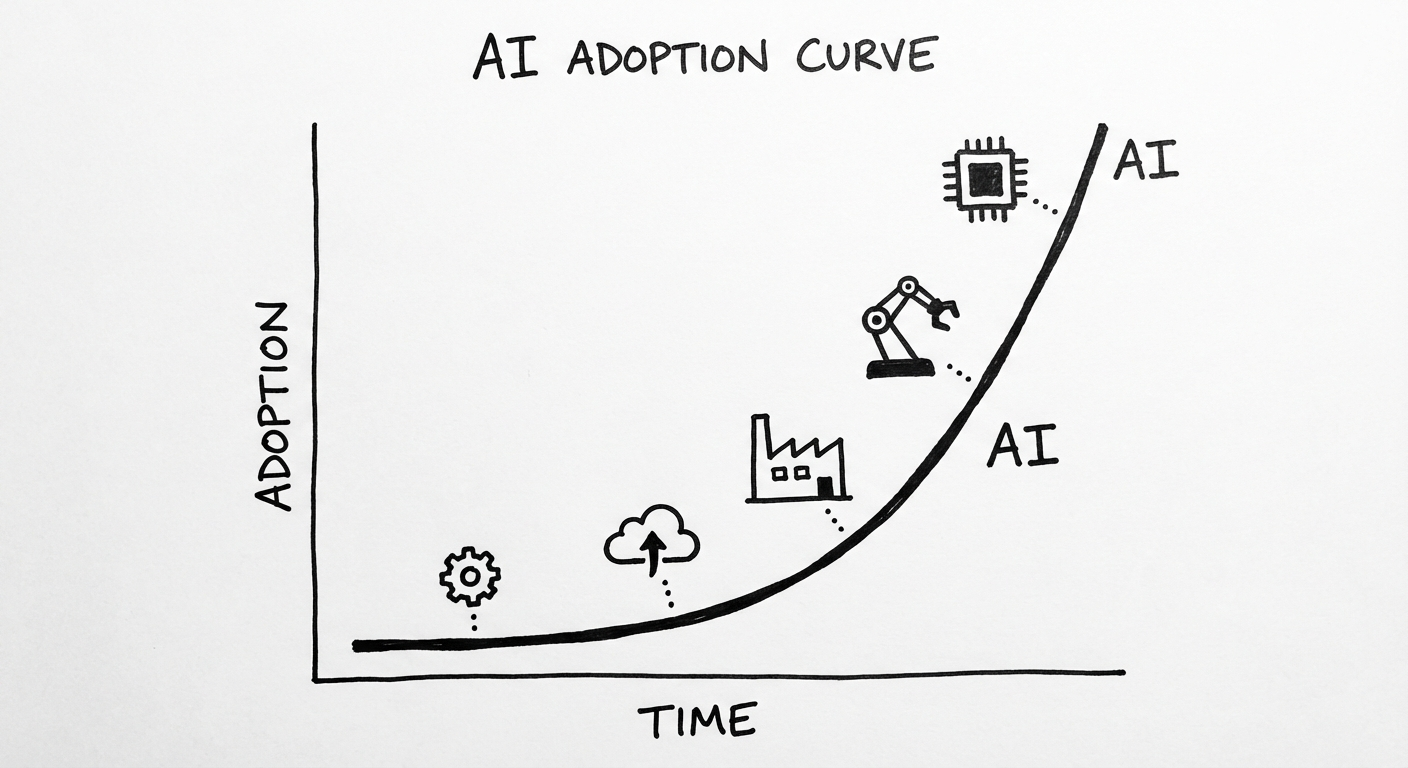
ChatGPT hit 100 million users in two months—the fastest adoption of any technology in history. 73% of Southeast Asian companies are using or planning to use AI in operations. Google searches for “AI for tax” are up 340% year-over-year.
This isn’t a trend. It’s a fundamental shift in how people find information and solve problems.
Your clients now have access to:
- AI chatbots that answer basic tax questions 24/7
- Accounting software that auto-generates tax reports
- Free templates and calculators available instantly online
- Online communities sharing solutions and workarounds
Information that used to be the consultant’s exclusive domain is now available to everyone.
What AI Can and Cannot Do
Before panic sets in, understand AI’s current limits.
AI excels at:
| Capability | Example in Tax Context |
|---|---|
| Answering factual questions | Tax rates, filing deadlines, exemption thresholds |
| Standard calculations | Computing tax liability from fixed formulas |
| Summarizing regulations | Explaining new tax laws in plain language |
| Generating templates | Draft letters, report formats, compliance checklists |
| Automating repetitive tasks | Data entry, reconciliation, report generation |
AI struggles with:
| Limitation | Why This Matters |
|---|---|
| Business-specific context | Every company has unique circumstances |
| Judgment calls | Decisions requiring risk assessment and trade-offs |
| Regulatory relationships | Negotiating with authorities, audit representation |
| Gray area interpretation | Ambiguous regulations require experience |
| Accountability | When AI is wrong, who takes responsibility? |
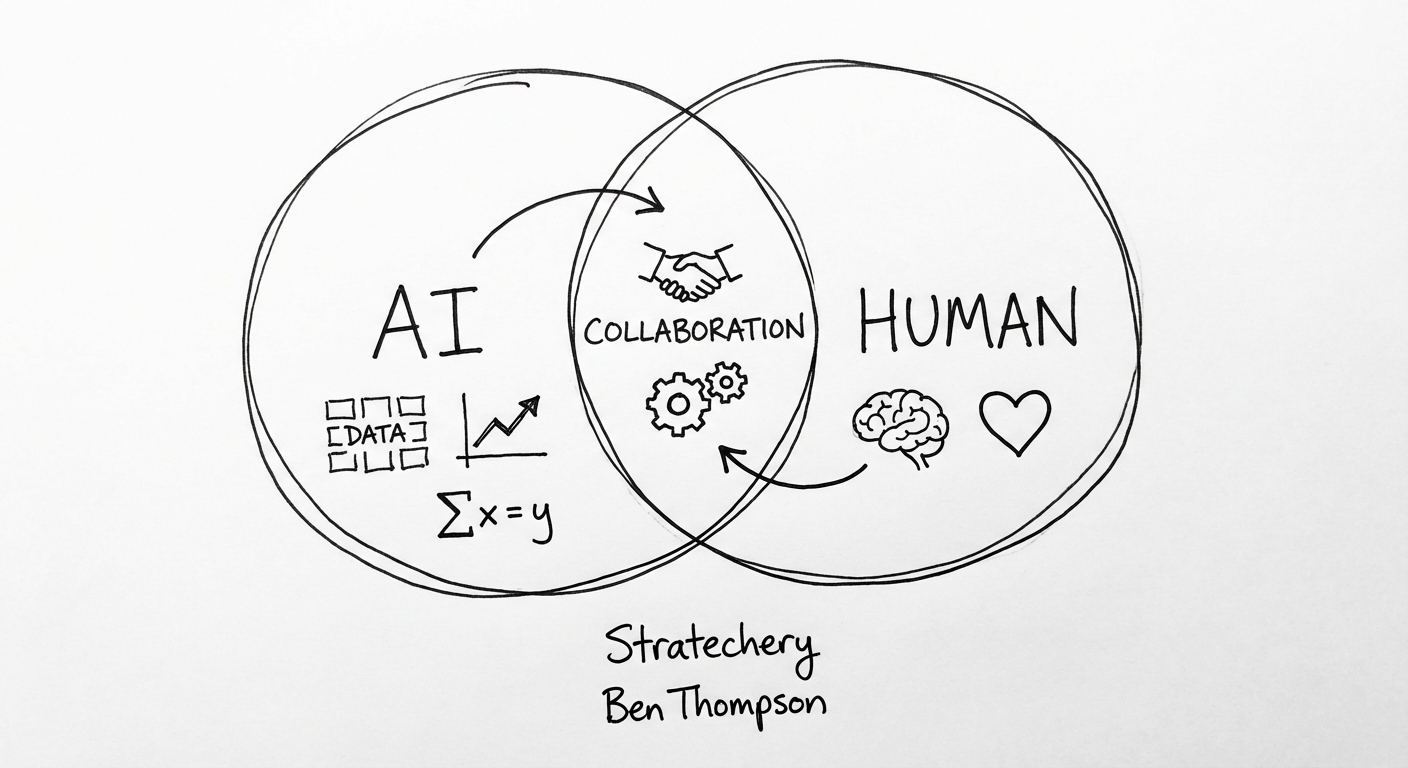
The key insight: AI masters information. Humans master wisdom—the judgment that comes from experience and context.
The Impact on Tax Consultancy
Let’s be direct about what’s happening:
1. Commodity Services Are Under Pressure
Transactional, repetitive work will face pricing pressure:
- Simple personal tax returns
- Standard monthly tax calculations
- Routine invoice processing
- Answering common questions
Clients will ask: “Why am I paying $500 for a tax return when software does it for $50?”
They’re not wrong to ask.
2. Client Expectations Are Rising
Clients who use ChatGPT daily now expect:
- Instant responses—not two-day email turnarounds
- Transparent pricing—not surprise invoices at month-end
- Self-service options—dashboards and real-time status
- Proactive insights—not just reactive problem-solving
The bar has moved. Meeting it is now table stakes.
3. But Complexity Is Also Rising
Simultaneously, tax regulations are getting more complex:
- Digital economy taxation rules
- Stricter transfer pricing requirements
- ESG and sustainability reporting obligations
- New government digital tax systems
The paradox: More information available means more people realize they don’t know what they don’t know.
Five Strategies for Consultants
Here’s what actually works:
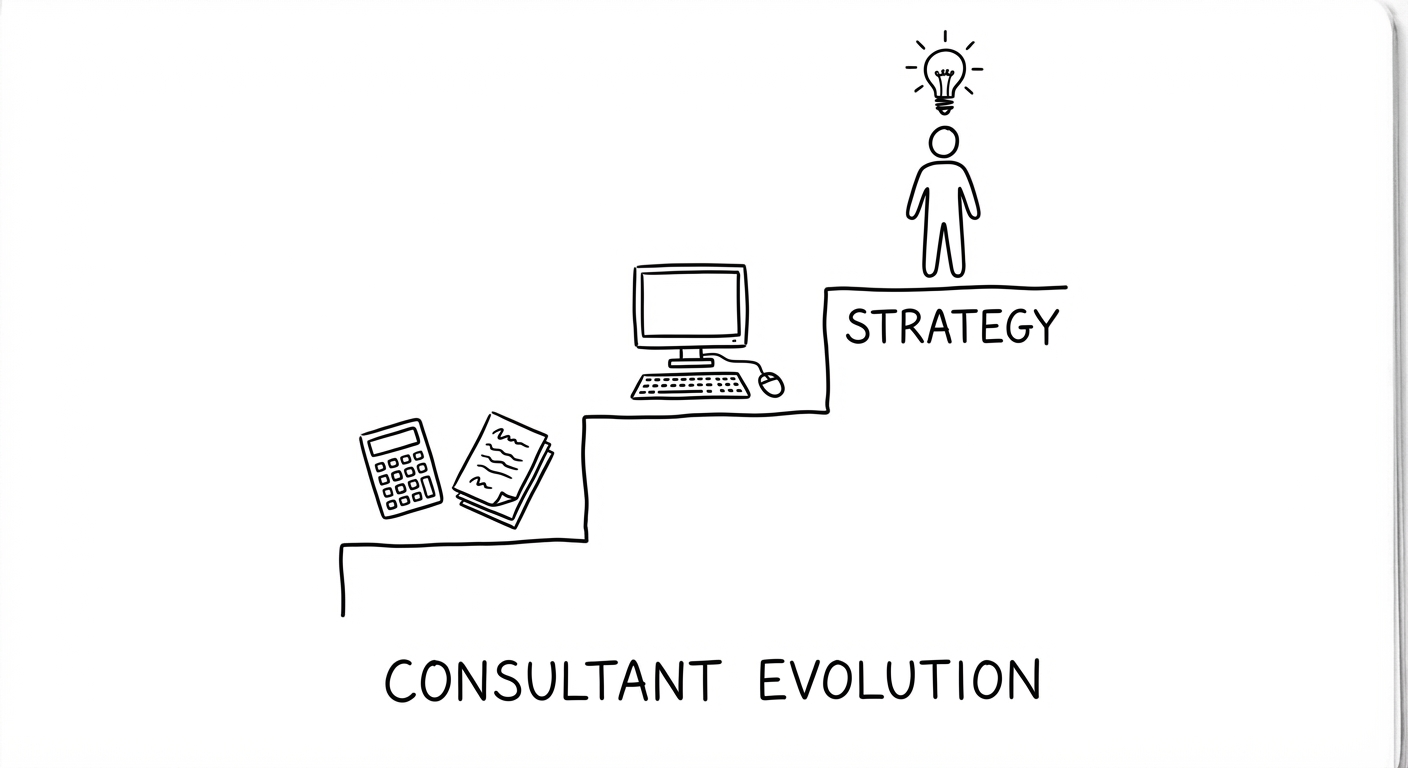
Strategy 1: Move Up the Value Chain
Before AI: “I calculate your taxes.” Value delivered: Technical execution
After AI: “I help you make tax-efficient business decisions.” Value delivered: Strategic thinking + business context
In practice:
Instead of just computing corporate tax, help clients:
- Structure their business optimally for tax efficiency
- Plan succession and wealth transfer
- Evaluate tax implications of expansion decisions
- Conduct due diligence for M&A transactions
The work that requires understanding the client’s business, not just the tax code.
Strategy 2: Adopt AI as a Tool
Consultants who use AI will outperform those who don’t. Period.
Tools to adopt now:
| Category | Tools | Use Case |
|---|---|---|
| Research | ChatGPT, Perplexity, Claude | Quick regulation research, summarizing new rules |
| Documentation | Notion AI, Jasper | Drafting memos, proposals, reports |
| Analysis | Excel Copilot, Power BI | Trend analysis, visualization |
| Communication | Grammarly, DeepL | Document review, translation |
| Automation | Zapier, Make | System integration, workflow automation |
The result: Time previously spent on administrative work shifts to high-value advisory.
Strategy 3: Build Deep Specialization
Generalists will struggle. Specialists will thrive.
Choose niches that are:
- Complex (AI can’t easily handle)
- High-stakes (clients need certainty)
- Relationship-intensive (trust matters)
Examples:
- Transfer pricing for multinational groups
- Tax structuring for startups and VC-backed companies
- Family business restructuring
- Tax disputes and litigation
- Industry-specific: mining, fintech, e-commerce
The narrower your focus, the deeper your expertise, the harder you are to replace.
Strategy 4: Create Recurring Value
One-time project fees are becoming harder to sustain. Build recurring revenue:
New business models:
-
Retainer Advisory
- Fixed monthly fee
- Unlimited consultation access
- Proactive quarterly reviews
-
Compliance-as-a-Service
- Subscription for compliance monitoring
- Automated alerts for deadlines and rule changes
- Real-time tax status dashboard
-
Training & Capacity Building
- Workshops for client finance teams
- Certification programs
- Community memberships
Strategy 5: Build Trust Through Presence
In a world full of AI, trustworthy humans become more valuable.
How to build trust:
- Educational content—LinkedIn posts, articles, short videos
- Community presence—Active in associations, forums, webinars
- Track record—Case studies, testimonials, references
- Transparency—Show your methodology, explain your reasoning
Remember: Clients don’t hire tax consultants. They hire peace of mind.
New Opportunities Emerging
AI doesn’t just threaten—it creates new opportunities:
1. AI Implementation Consulting
Help clients adopt AI for their own tax and accounting functions:
- Tool evaluation and selection
- Setup and configuration
- Team training
- Quality assurance
2. AI Audit and Review
When clients use AI for compliance, they need humans to:
- Verify AI outputs
- Catch edge cases the AI missed
- Provide sign-off and accountability
3. Hybrid Service Models
Combine AI efficiency with human judgment:
- Tier 1: Self-service portal (AI-powered)
- Tier 2: Human review for complex cases
- Tier 3: Full advisory for strategic matters
4. Data Analytics and Insights
Leverage client data to deliver insights:
- Industry benchmarking
- Tax exposure prediction
- Cash flow optimization
Start Here: A Practical Action Plan
Don’t get overwhelmed. Start small.
This Week
-
Experiment with AI
- Get ChatGPT Plus or Claude
- Use it for research on a current client matter
- Feel its capabilities and limitations firsthand
-
Audit your services
- List everything you offer
- Categorize: what can AI replace?
- Identify your high-value work
This Month
-
Adopt one tool
- Pick the highest-impact option
- Commit to daily use
- Measure time saved
-
Start creating content
- Write one article or LinkedIn post
- Share your unique perspective
- Consistency beats perfection
This Quarter
-
Revisit pricing and packaging
- Does your model still make sense?
- Consider retainer or subscription options
- Test with select clients
-
Invest in skill development
- Take a course on AI and automation
- Learn a new industry or niche
- Build your network
The Bottom Line
AI won’t replace tax consultants. But consultants who use AI will replace those who don’t.
This shift is a filter. It separates consultants who sell time from consultants who sell wisdom.
Clients will always need:
- Someone who understands their business context
- Someone who can make judgment calls in gray areas
- Someone they can rely on when problems arise
- Someone accountable for their advice
That’s not AI’s job. That’s yours.
The question isn’t whether AI will change consultancy.
The question is whether you’ll lead that change or get left behind.
This article is part of Synetica’s exploration of how AI impacts professional services. We believe that with the right preparation, consultancy businesses can not only survive but thrive in the AI era.
Want to discuss digital strategy for your consultancy? Book a discovery call—let’s talk about what’s possible.
Need help putting this into practice?
Book a Blueprint session and we'll turn the ideas in this article into your next validated release.
Book a Discovery Call